Overview
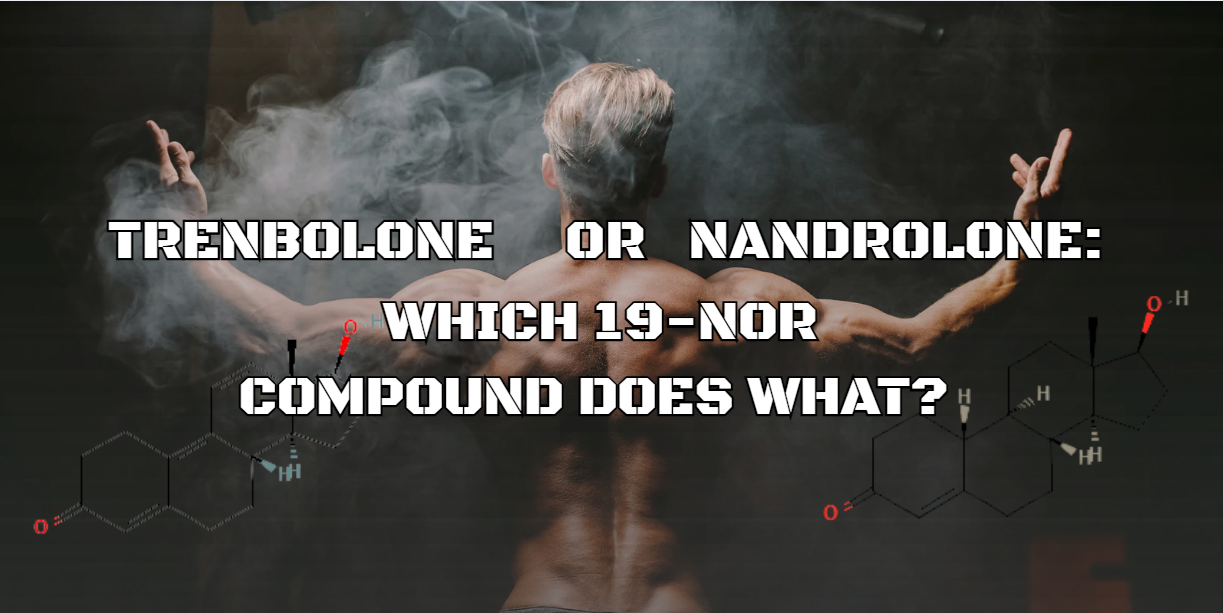
Among performance-enhancing compounds, trenbolone and nandrolone are frequently compared due to their shared classification as 19-nor anabolic steroids. While they originate from similar chemical foundations, their real-world effects, intensity, and risk profiles are very different.
Understanding how these compounds function — and how they differ — helps frame smarter, health-focused discussions around performance enhancement.
“Nandrolone is often associated with consistency and longevity, while trenbolone delivers fast results that demand serious respect.”
— Strength & Physique Coach
What Does “19-Nor” Mean?
Both trenbolone and nandrolone are modified versions of testosterone where a carbon molecule is removed from the 19th position. This structural change alters how the compound interacts with androgen receptors and how the body processes it hormonally.
Both compounds:
Strongly bind to androgen receptors
Promote protein synthesis
Increase nitrogen retention
Support muscle tissue growth
However, their intensity and systemic impact differ significantly.
Nandrolone: The Long-Game Compound
Nandrolone is known for its anabolic dominance with comparatively milder androgenic activity. This balance has made it popular among users seeking gradual, sustainable improvements.
Commonly discussed characteristics:
Slower, steadier muscle development
Enhanced recovery capacity
Support for connective tissue and joint comfort
Increased red blood cell production
Many athletes describe nandrolone as easier to manage over longer periods, though it still suppresses natural testosterone production.
“Progress felt smooth and controllable. I didn’t feel pushed to extremes.”
— Competitive Strength Athlete
Trenbolone: Maximum Impact, Maximum Caution
Trenbolone is often described as one of the most potent anabolic compounds available. It does not convert into estrogen, which contributes to a harder, drier appearance — but also removes a hormonal buffer the body normally relies on.
Commonly discussed effects include:
Rapid increases in muscle density and strength
Strong fat-loss and nutrient-partitioning effects
Enhanced hardness and vascularity
Because of its potency, trenbolone can place heavy stress on the nervous system, hormones, and cardiovascular health.
“Results were undeniable — but it required strict discipline and awareness.”
— Physique Competitor
Side Effects & Risk Considerations
Nandrolone Considerations
Suppression of natural testosterone production
Potential impacts on cholesterol balance
Possible sexual and reproductive side effects with misuse
Not risk-free when used long term or at high doses
Trenbolone Considerations
Strong endocrine suppression
Sleep disruption, mood volatility, and anxiety reported by users
Elevated cardiovascular strain
Considered significantly harsher than most anabolic compounds
Both substances are regulated in many countries and prohibited in competitive sports.
Quick Comparison Summary
Nandrolone
✔ Gradual, sustainable muscle gains
✔ Often associated with joint comfort
⚠ Testosterone suppression
⚠ Cardiovascular considerations
Trenbolone
✔ Rapid strength and physique changes
✔ Lean, dense muscle appearance
⚠ High side-effect potential
⚠ Strong hormonal and psychological impact
Was this article helpful?
That’s Great!
Thank you for your feedback
Sorry! We couldn't be helpful
Thank you for your feedback
Feedback sent
We appreciate your effort and will try to fix the article