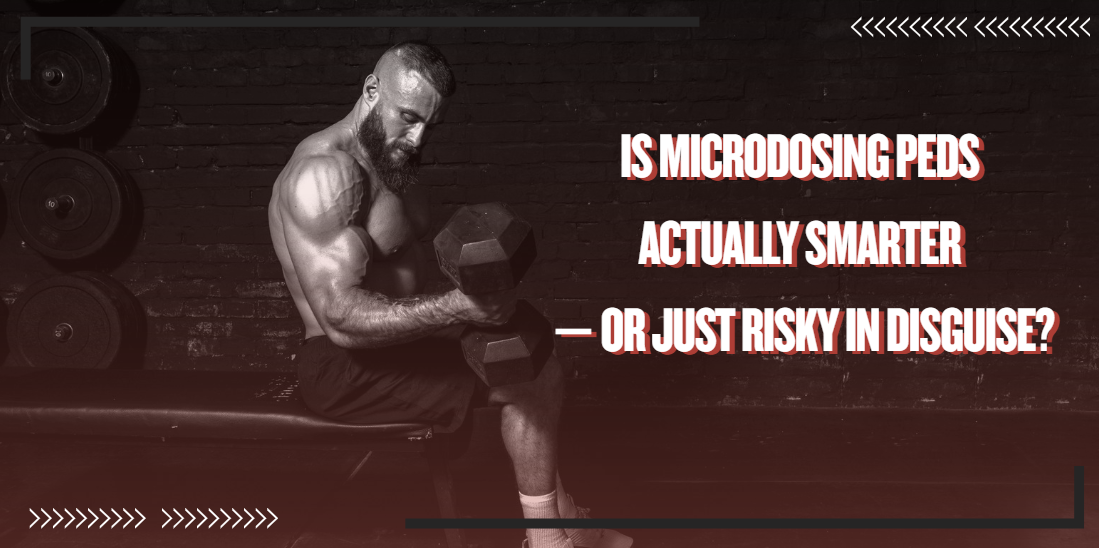
In strength and physique communities, microdosing has become a buzzword. Instead of traditional high-dose cycles, some users discuss taking very small, frequent amounts of performance-enhancing substances in hopes of gaining subtle benefits while avoiding harsh side effects.
The idea sounds appealing — but does using less actually make it safer? And more importantly, does science support these claims?
“Lower doses may soften hormonal swings, but they don’t eliminate the underlying risks of performance-enhancing drugs.”
— Experienced Strength Coach
What Does Microdosing Mean in This Context?
Broadly speaking, microdosing refers to using amounts below what’s typically considered performance-enhancing. The concept originally gained attention in other fields where tiny doses of compounds were explored for subtle effects rather than dramatic outcomes.
Applied to performance enhancement, microdosing usually means:
Using minimal amounts of anabolic or hormone-related compounds
Administering them more frequently
Aiming to keep levels slightly elevated rather than spiking them
The goal is consistency without extremes — fewer highs, fewer crashes.
How Microdosing Is Supposed to Work
In theory, very low doses may provide mild physiological stimulation — such as supporting recovery or maintaining hormone levels — without completely shutting down the body’s own production systems.
Supporters often compare this idea to medically supervised hormone therapy, where levels are kept within a normal range rather than pushed far above it.
Common claims include:
More stable hormone levels
Fewer noticeable side effects
Less stress on the body over time
However, this remains theoretical. There is currently no strong clinical evidence showing that microdosing performance-enhancing drugs delivers these benefits safely.
Claimed Benefits (Anecdotal, Not Proven)
Most support for microdosing comes from personal reports rather than controlled research.
1. Fewer side effects
Some users believe smaller doses reduce issues like mood swings, water retention, acne, or cardiovascular strain compared to aggressive cycles.
2. More consistent performance
Instead of dramatic strength spikes followed by crashes, microdosing is said to provide steadier training output over time.
“Training felt more even day to day — but that didn’t mean it was harmless.”
— Veteran Competitive Lifter
3. Perceived lower detection risk
Because blood levels may stay lower, some believe microdosing is harder to detect. However, testing methods continue to evolve, and this assumption is far from reliable.
Risks Still Exist — Even at Low Doses
Reducing dose does not eliminate risk. Even small amounts of performance-enhancing substances can affect multiple systems.
Hormonal Suppression
Low doses may still signal the body to reduce its own hormone production, leading to long-term dependence on external sources.
Cardiovascular Stress
Changes in cholesterol, blood pressure, and heart workload can occur regardless of dose size.
Psychological Effects
Mood instability, irritability, or changes in mental well-being have been reported even with minimal exposure.
Lack of Safety Data
There are no long-term studies confirming that microdosing PEDs is safe or effective. Cumulative effects over months or years remain unknown.
“Without controlled data, microdosing is speculation — not a validated health strategy.”
— Sports Medicine Physician
Key Takeaways
✔ Microdosing aims to reduce extremes, but scientific evidence is lacking
✔ Even very small doses can disrupt hormones and cardiovascular health
✔ Legal and sporting consequences still apply
Bottom Line
Microdosing performance-enhancing drugs may sound like a more cautious approach, but less does not automatically mean safe. Until solid research exists, microdosing remains an unproven strategy with real physiological and legal risks.
Any discussion around PED use should prioritize education, health awareness, and an honest understanding of uncertainty — not assumptions.
Was this article helpful?
That’s Great!
Thank you for your feedback
Sorry! We couldn't be helpful
Thank you for your feedback
Feedback sent
We appreciate your effort and will try to fix the article