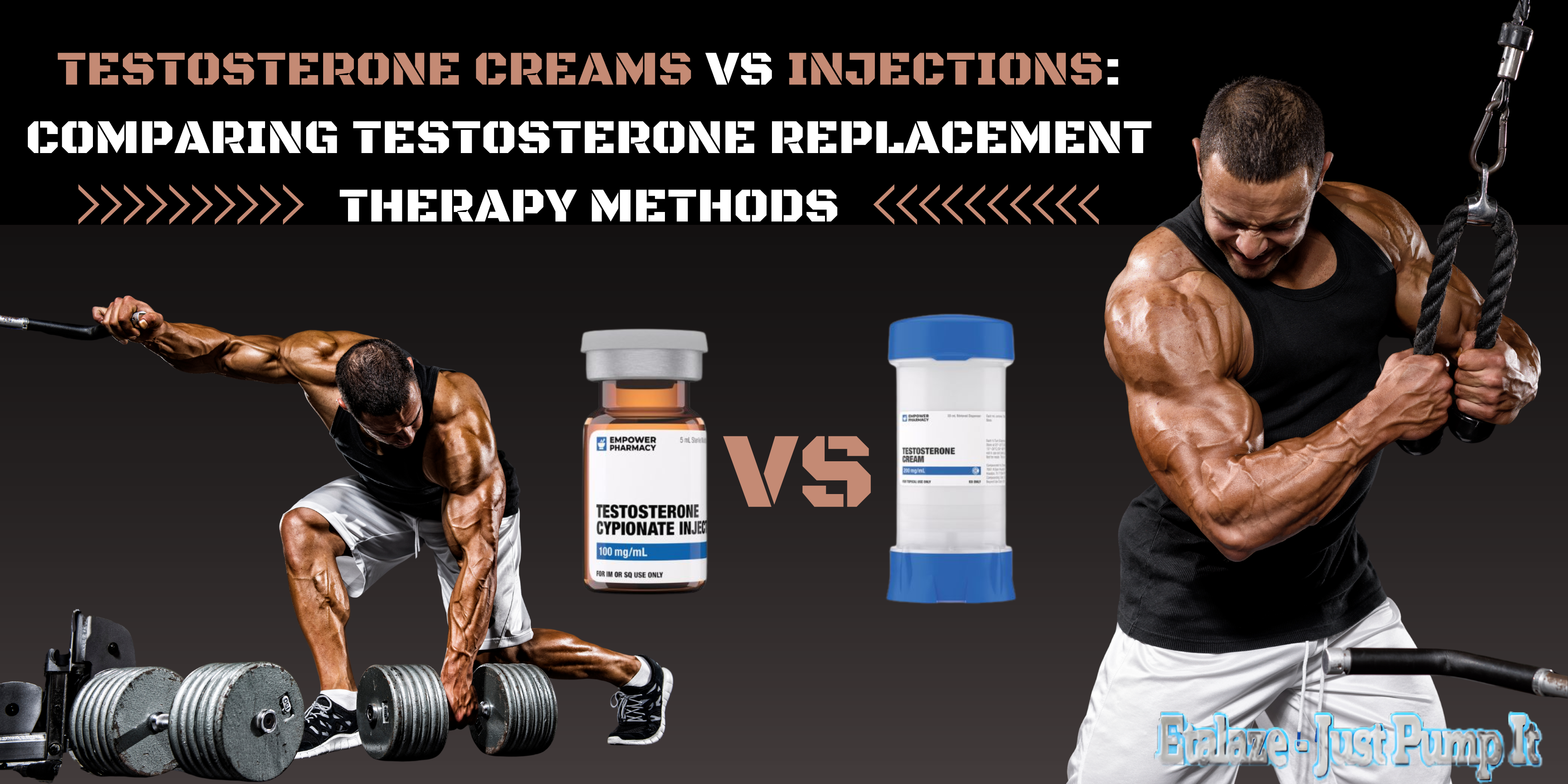
Testosterone Replacement Therapy (TRT) has become a widely discussed option for men experiencing low testosterone levels due to age, medical conditions, or lifestyle factors. Among the most common delivery methods are testosterone creams (topicals) and testosterone injections.
This knowledge-base guide breaks down how each works, their benefits, potential side effects, and practical considerations—so you can make a more informed, doctor-guided decision.
Introduction: Why Testosterone Replacement Therapy Matters
Testosterone plays a critical role in muscle mass, bone density, energy levels, libido, mood, and overall vitality. When levels drop below a healthy range, men may experience fatigue, reduced strength, weight gain, and diminished quality of life.
TRT aims to restore testosterone to physiologic levels—not to create supraphysiological “bodybuilding” effects. The method of delivery can significantly impact convenience, consistency, and results.
Mechanism of Action: How Each Method Works
Testosterone Creams (Topical TRT)
Testosterone creams are applied directly to the skin—typically on the shoulders, upper arms, or inner thighs. The hormone is absorbed transdermally into the bloodstream.
Key characteristics:
Daily application
Gradual absorption
Mimics natural daily testosterone rhythm
Testosterone Injections
Injectable testosterone is delivered intramuscularly or subcutaneously. It releases testosterone directly into circulation, often producing more pronounced peaks.
Key characteristics:
Administered weekly or bi-weekly (as prescribed)
Higher bioavailability
More stable dosing control when managed properly
Benefits: Creams vs. Injections
Benefits of Testosterone Creams
Non-invasive and needle-free
Easy to apply at home
Allows for flexible dose adjustments
Often preferred by first-time TRT users
Benefits of Testosterone Injections
Precise and measurable dosing
Less risk of accidental transfer to others
Often more cost-effective long-term
May lead to faster symptom improvement for some men
Potential Side Effects & Considerations
Common TRT Side Effects
Acne or oily skin
Water retention
Increased red blood cell count
Mood changes if levels fluctuate
Cream-Specific Considerations
Risk of testosterone transfer through skin contact
Requires strict hygiene and consistent application
Absorption can vary based on skin type
Injection-Specific Considerations
Injection-site discomfort
Hormonal peaks and troughs if dosing schedule is inconsistent
Requires comfort with needles or clinical visits
Key Takeaways: Choosing the Right TRT Method
Testosterone creams offer convenience and needle-free administration
Testosterone injections provide precision and often stronger symptom control
Results vary based on lifestyle and consistency
The “best” method is the one aligned with your goals and comfort level.
Was this article helpful?
That’s Great!
Thank you for your feedback
Sorry! We couldn't be helpful
Thank you for your feedback
Feedback sent
We appreciate your effort and will try to fix the article