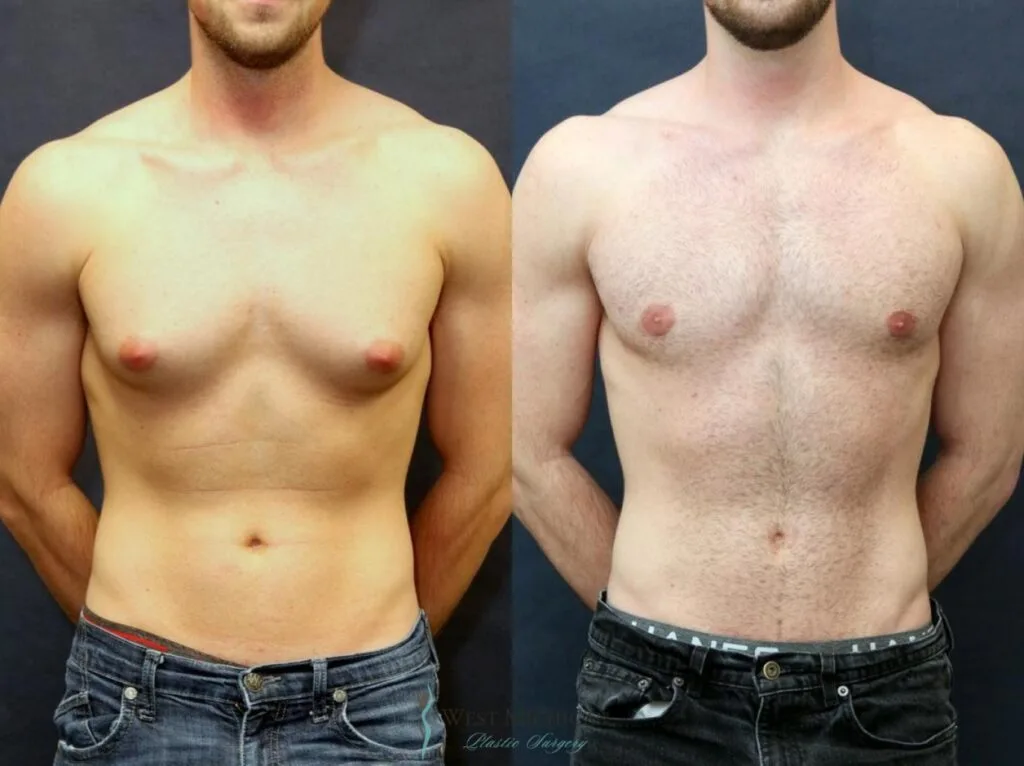
Gynecomastia — the enlargement of male breast tissue — is one of the most frustrating and misunderstood issues in bodybuilding. For athletes who invest years building chest development, the appearance of glandular tissue beneath the nipple can be psychologically and physically distressing.
Understanding why it happens, how it develops, and what your real treatment options are is critical — especially in environments where anabolic compounds, hormone manipulation, and aggressive protocols are common.
What Is Gynecomastia?
Gynecomastia is the growth of glandular breast tissue in males. It is not the same as chest fat (pseudogynecomastia). True gynecomastia involves a firm, rubbery mass beneath the nipple-areolar complex.
It may present as:
Puffiness around the nipples
Tenderness or sensitivity
A palpable lump under the nipple
Asymmetry (one side worse than the other)
In bodybuilding, it is most often hormonally driven.
Causes of Gynecomastia in Bodybuilding
1. Aromatization of Testosterone to Estrogen
Testosterone converts into estradiol via the aromatase enzyme. When androgen levels are high — especially during anabolic steroid cycles — estrogen levels can rise significantly.
Elevated estradiol can:
Stimulate breast tissue growth
Increase prolactin sensitivity
Cause water retention and nipple sensitivity
The higher the dose of aromatizable compounds (testosterone, dianabol, etc.), the greater the potential estrogen load.
2. Use of Anabolic-Androgenic Steroids (AAS)
Certain compounds are more prone to causing gynecomastia:
High aromatizing compounds
Testosterone (high doses)
Methandrostenolone (Dianabol)
Progestogenic compounds
Nandrolone
Trenbolone (indirectly via prolactin interaction)
Progestins can enhance estrogenic signaling at the breast tissue level, increasing gynecomastia risk even if estradiol is not dramatically elevated.
3. Prolactin Elevation
Some compounds influence prolactin levels or prolactin receptor activity. Elevated prolactin may:
Increase nipple sensitivity
Enhance estrogenic effects
Worsen existing gynecomastia
However, prolactin alone rarely causes gynecomastia without estrogen involvement.
4. Hormonal Imbalance Post-Cycle
After anabolic steroid cycles, natural testosterone production can crash while estrogen remains relatively elevated. This temporary imbalance (low androgens + relatively high estrogen) creates a high-risk window for gynecomastia development.
Improper or absent post-cycle therapy (PCT) significantly increases risk.
The Biological Mechanism
Gynecomastia occurs when the balance shifts in favor of estrogenic stimulation over androgenic inhibition at breast tissue receptors.
At the cellular level:
Estrogen binds to estrogen receptors in breast tissue
Stimulates glandular proliferation
Over time, tissue becomes fibrotic and permanent
Early-stage gynecomastia is often reversible. Long-standing gynecomastia becomes fibrous and resistant to medication.
Timing matters.
Risk Factors in Bodybuilders
High-dose testosterone cycles
Lack of estrogen management
Ignoring early nipple sensitivity
High body fat (more aromatase activity)
Poorly planned PCT
Genetic predisposition
Some individuals are extremely sensitive to estrogen, even at moderate levels.
Prevention Strategies
1. Moderate Dosing
Higher doses dramatically increase aromatization. Conservative protocols reduce risk significantly.
2. Body Fat Management
Aromatase activity increases in adipose tissue. Leaner athletes convert less testosterone to estrogen.
3. Regular Bloodwork
Monitor:
Estradiol (sensitive assay)
Prolactin
Total and free testosterone
Managing numbers early prevents tissue growth.
4. Avoid Overuse of Aromatase Inhibitors
Crashing estrogen can:
Damage lipids
Cause joint pain
Reduce libido
Impair cardiovascular health
Balance is the goal — not elimination.
Treatment Options
Treatment depends on the stage of gynecomastia.
1. Early-Stage (Inflammatory Phase)
If caught early (within months):
Selective Estrogen Receptor Modulators (SERMs)
Tamoxifen
Raloxifene
These block estrogen receptors in breast tissue and can reduce or reverse early glandular growth.
Best results occur when started early.
2. Aromatase Inhibitors (AIs)
Anastrozole
Letrozole
These reduce estrogen production but are less effective at reversing established gynecomastia. More useful preventatively or in acute estrogen spikes.
3. Prolactin Management
If prolactin is elevated:
Cabergoline (in specific cases)
However, prolactin should only be treated if labs confirm elevation.
4. Surgical Removal (Definitive Treatment)
For long-standing or fibrotic gynecomastia:
Subcutaneous Mastectomy
Performed by a plastic surgeon, this procedure removes glandular tissue directly.
This is the only guaranteed permanent solution once fibrosis has developed.
Many competitive bodybuilders eventually choose surgery for aesthetic precision.
Psychological Impact
Gynecomastia can be emotionally devastating for physique athletes. It may:
Undermine years of training
Create stage anxiety
Cause body image distress
Addressing it early prevents both physical and psychological escalation.
The Hard Truth
In bodybuilding, gynecomastia risk increases with:
Higher doses
Stacked compounds
Poor planning
Reactive instead of proactive management
The pursuit of extreme size often comes with endocrine consequences.
Final Takeaway
Gynecomastia is not random. It is the predictable result of hormonal imbalance — primarily excess estrogenic signaling relative to androgen control.
The keys are:
Intelligent dosing
Monitoring hormones
Acting early
Prioritizing health over ego
Once glandular tissue becomes fibrotic, medication rarely reverses it. Prevention and early intervention are everything.
Was this article helpful?
That’s Great!
Thank you for your feedback
Sorry! We couldn't be helpful
Thank you for your feedback
Feedback sent
We appreciate your effort and will try to fix the article