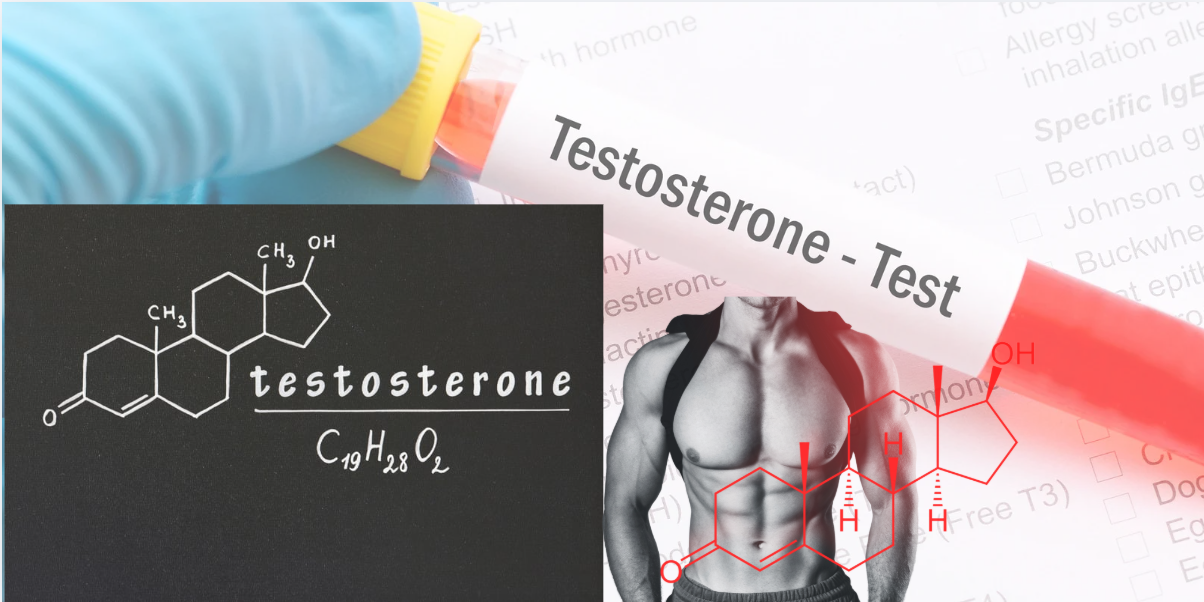
Testosterone Replacement Therapy (TRT) is often marketed as a simple solution for low energy, reduced muscle mass, brain fog, and declining libido. For many men, it can be life-changing—but it’s not as straightforward as the ads make it seem. If I could go back to before starting TRT, there are several things I wish I had understood. This “starter pack” is for anyone considering TRT and wants the full picture before taking the plunge.
1. Low Testosterone Is a Medical Diagnosis—Not a Feeling
Feeling tired or unmotivated doesn’t automatically mean you have low testosterone. One of the biggest misconceptions is that symptoms alone are enough to justify TRT. In reality, proper diagnosis requires:
Multiple morning blood tests
Clinically low testosterone levels
Symptoms that align with deficiency
2. TRT Is Usually a Long-Term Commitment
This was the biggest surprise. Once you start TRT, your body may reduce or stop producing its own testosterone. That means stopping therapy can leave you feeling worse than before you started—at least temporarily. For many men, TRT becomes a long-term or even lifelong treatment, not a short-term boost.
3. It’s About Optimization, Not Superhuman Levels
TRT is not supposed to turn you into a bodybuilder or give you “teenage” hormone levels. The goal is to restore testosterone to a healthy, physiological range. Chasing high numbers increases the risk of side effects such as:
Elevated red blood cell count
Acne and oily skin
Mood swings and irritability
Cardiovascular strain
4. Monitoring Is Not Optional
TRT requires ongoing medical supervision. Regular blood work is essential to track:
Testosterone levels
Hematocrit and hemoglobin
Cholesterol and lipids
Estrogen (estradiol) levels
Skipping follow-ups can turn a helpful therapy into a risky one. TRT done right is measured, adjusted, and carefully monitored.
5. Fertility Can Be Affected
This is something many men don’t hear upfront. TRT can significantly suppress sperm production, which may impact fertility. For men who want children in the future, this is a critical consideration. Alternatives or adjunct treatments may be needed to preserve fertility.
6. Delivery Method Matters More Than You Think
TRT isn’t one-size-fits-all. Options include injections, gels, patches, and pellets. Each has pros and cons related to:
Hormone stability
Convenience
Side effects
Cost
What works best depends on lifestyle, comfort level, and how your body responds.
7. Lifestyle Still Matters—a Lot
TRT isn’t a substitute for healthy habits. Sleep, nutrition, exercise, and stress management still play a major role in how you feel. Men who expect TRT to fix everything without addressing lifestyle factors are often disappointed.
8. Mental and Emotional Changes Are Real
Many men experience improved mood, confidence, and motivation—but changes can go both ways. Some notice increased irritability or emotional swings, especially during dose adjustments. Being aware of these possibilities helps you recognize when something needs to be tweaked.
9. Not All Providers Are Equal
One of the most important lessons is choosing the right healthcare provider. Some clinics prioritize speed over safety. A good TRT provider:
Reviews full lab panels
Explains risks and benefits clearly
Individualizes dosing
Encourages long-term health, not quick fixes
Final Thoughts
TRT can be an incredibly effective therapy when used appropriately—but it’s not a casual decision. Understanding the long-term commitment, and importance of proper monitoring makes all the difference. If I had known these things from the start, my journey would have been smoother, safer, and far less confusing.
The real TRT starter pack isn’t just testosterone—it’s education and patience.
Was this article helpful?
That’s Great!
Thank you for your feedback
Sorry! We couldn't be helpful
Thank you for your feedback
Feedback sent
We appreciate your effort and will try to fix the article