The TRT Starter Pack: What I Wish I Knew Before Starting Therapy
Created by Etalaze Shop Support, Modified on Wed, 18 Feb at 2:53 PM by Etalaze Shop Support
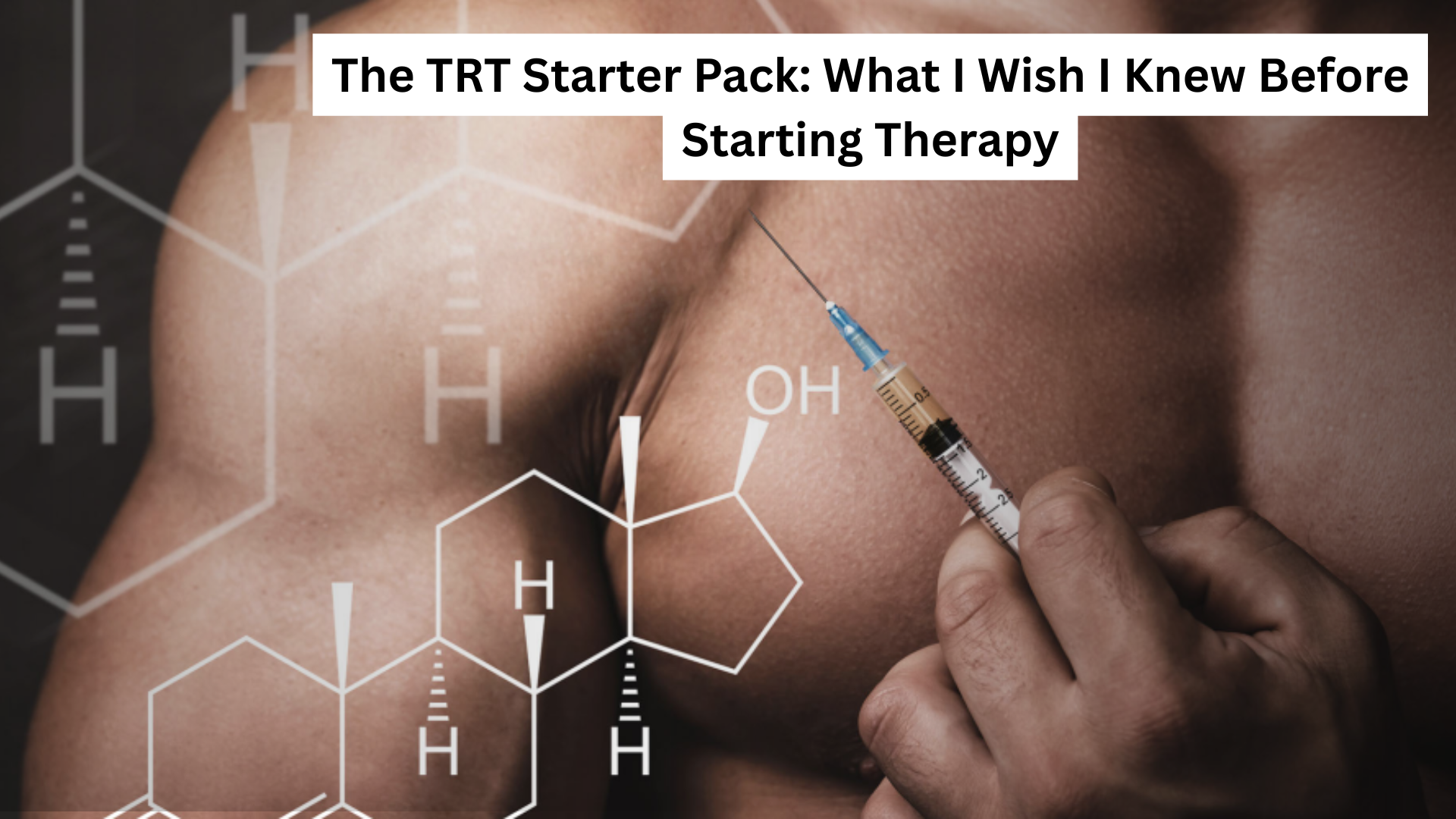
If I could go back to day one before starting Testosterone Replacement Therapy (TRT), I wouldn’t start with motivation, gym results, or libido improvements.
I’d start with proper injections and protocols — because that’s where everything begins.
TRT isn’t just “take testosterone and feel amazing.” It’s a structured medical therapy. The difference between feeling stable and feeling like you’re on a hormonal rollercoaster usually comes down to how well your protocol is set up from the start.
Here’s what I wish I knew.
1. Proper Injections: Frequency Matters More Than Dose
Most beginners focus on the number — 100 mg, 150 mg, 200 mg per week.
What I didn’t realize is that injection frequency often matters more than the total weekly dose.
Large, once-weekly injections can cause:
Big hormonal spikes
Estrogen swings
Mood fluctuations
Energy crashes before the next shot
Splitting your weekly dose into 2–3 injections per week often creates:
More stable testosterone levels
Better mood consistency
Fewer estrogen issues
Less water retention
Stable levels = stable life.
2. Injection Technique: Simple, But Important
This part sounds basic — but doing it correctly makes a difference.
Key considerations:
Intramuscular (IM) or subcutaneous (SubQ), depending on provider guidance
Rotate injection sites (glutes, ventrogluteal, delts, quads)
Use appropriate needle size
Maintain sterile technique
Poor technique can lead to:
Scar tissue buildup
Irritation
Inconsistent absorption
The smoother the injections, the smoother the therapy.
3. Start Moderate — Not Aggressive
One of the biggest mistakes I see is starting too high.
High starting doses can:
Spike estradiol
Raise hematocrit quickly
Increase blood pressure
Cause anxiety or irritability
A moderate starting range (determined by your provider and labs) allows your body to adjust. You can always increase if necessary. It’s much harder to manage side effects after overshooting.
TRT is about optimization, not chasing supraphysiological levels.
4. Estrogen Is Not the Enemy
When testosterone rises, some of it converts to estradiol (E2). This is normal and healthy.
Estradiol supports:
Libido
Joint health
Cardiovascular protection
Mood stability
Crashing estrogen with an aromatase inhibitor too early can make you feel worse than low testosterone ever did.
Instead of panicking over lab numbers:
Assess symptoms
Adjust testosterone dose first
Add medications only if truly necessary
Balance beats suppression.
5. Bloodwork Is Your Roadmap
TRT without bloodwork is guesswork.
Before starting, you should evaluate:
Total testosterone
Free testosterone
SHBG
LH & FSH
Estradiol (sensitive assay)
CBC (hematocrit/hemoglobin)
Lipids
PSA
After starting, labs should be repeated regularly to monitor trends.
Elevated hematocrit, for example, can increase cardiovascular risk if ignored. Lipid changes matter.
6. Fertility Considerations: Think Ahead
This is something I wish more people emphasized.
TRT suppresses natural testosterone production, which can significantly reduce sperm production.
If you plan to have children:
Discuss hCG alongside TRT
Consider fertility-preserving strategies
Freeze sperm beforehand if necessary
Don’t assume fertility automatically rebounds.
7. The First 8–12 Weeks Are an Adjustment Phase
Early TRT can feel like:
Increased energy
Higher libido
Improved mood
But it can also bring:
Water retention
Sleep changes
Emotional fluctuations
Your body is adapting to new hormone levels. Resist the urge to constantly tweak your protocol during this phase unless side effects are severe.
8. TRT Doesn’t Replace Discipline
TRT amplifies your habits.
If you:
Train consistently
Eat well
Sleep properly
Manage stress
You’ll likely see incredible improvements in body composition, strength, and vitality.
If you neglect those areas, TRT won’t compensate for them.
Hormones optimize effort — they don’t replace it.
Final Thoughts
If I could summarize the TRT starter pack in one sentence:
Start conservatively, inject consistently, monitor intelligently, and think long term.
TRT can be life-changing for the right candidate — restoring energy, drive, confidence, and physical vitality. But success isn’t about chasing the highest numbers.
It’s about building a stable, sustainable protocol that supports your health for years to come.
Was this article helpful?
That’s Great!
Thank you for your feedback
Sorry! We couldn't be helpful
Thank you for your feedback
Feedback sent
We appreciate your effort and will try to fix the article